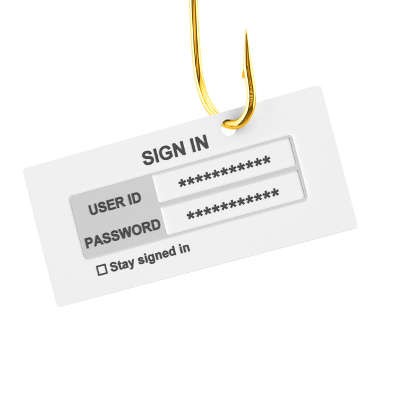



The 2016 United States presidential election was an ugly one for multiple reasons--chief among them the accusation that hacked voting machines could have altered the outcome of the election significantly. Thankfully, there are steps being taken to alleviate the worries that third parties might alter the outcome of such important events.
Global Tech Solutions Blog
In the last few months, there have been several high-profile data security breaches that resulted in the theft of millions upon millions of non-public information records. Though much of the focus in the aftermath of the breaches was on personal identity theft and prevention, it’s important to keep in mind that not all the stolen data records target individuals. Business entities are also at risk. Vendors and partners that you do business with regularly will probably have record of your company’s non-public information, payment information, or tax ID number.
There are dozens of surveys and reports produced each year that evaluate digital threats and cybercrime. Not every publication applies to every business - but many of them do have some important take aways about the best practices of handling IT. Here’s few highlights from the 2017 Cyberthreat Defense Report that offer important insight for SMBs and their use of technology.
In February of 2016, President Barack Obama passed a Cybersecurity National Action Plan. The plan implemented near-term actions and developed a long-term strategy to enhance cybersecurity awareness and protections, protect privacy, and maintain public safety. Taking action against cybersecurity now will assist with ensuring economic and national security, as well as empowering Americans to take better control of their digital security.
Chances are, you’ve heard of spam, but many don’t know how to identify it in the first place, let alone work around it. Frankly, spam can cause some serious damage to your business if not properly dealt with. In today’s blog, you’ll learn what makes spam, “spam,” and how you can keep it from infecting your inbox.
Over the past several months, while watching the news or reading about business and technology, you’ve probably encountered a few words, such as ‘ransomware’ ‘exploit weakness’, and ‘security patch’. These terms are used often, and you may be confused as to what they really mean, and how they relate to you and the security of your business’ data.
It doesn’t matter which industry your organization falls into. Your business will always be susceptible to threats in some way, shape, or form. Therefore, it’s your responsibility to ensure that your business understands how to protect itself from these threats, before it’s too late. We’ll help you learn more about the various issues that you need to watch out for, and what you can do to stop them.
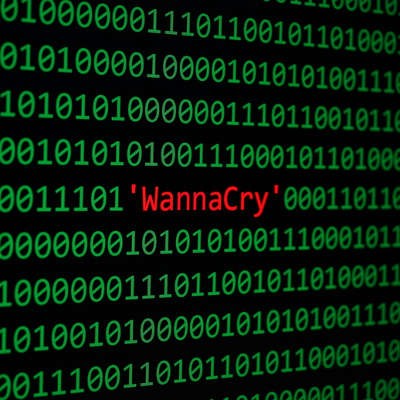
On May 11, 2017, the WannaCry ransomware spread around the globe like wildfire and disabled computing infrastructures belonging to organizations of all shapes and sizes. As the world watched the news unfold, it seemed as if practically no business was immune to this ultra-powerful ransomware. Yet, many quick-thinking organizations were. All because they had the foresight to follow IT best practices.
The Internet of Things is all around us, in our homes, our offices, and even our cars. While this connectivity can provide a more unified and automated approach to daily tasks, it has the downside of enabling certain security threats to go unfettered. A prime example are the IoT-driven botnets that seem to be increasing in popularity.
Microsoft has resolved what a security researcher tweeted was “the worst Windows remote code exec” in his memory. This vulnerability allowed a targeted file to implement remote code execution processes, manipulating the infected system and spreading the infection to other machines. In other word, it’s a bad problem to have. The scariest part: the attack would be triggered if a particular file were to be scanned by the Microsoft Malware Protection Engine.
How many emails does your organization receive every day? Chances are that you can’t find time in your day-to-day operations to maintain and manage your email solution as well as you’d like, and in a world where threats to your organization’s network lurk around every corner, you can never be too careful. How can you make sure that you’re taking proper care of your business’s email infrastructure, without sacrificing the time and manpower required to do so?
Society relies on law enforcement to enforce laws in a fair and just manner, but even the police have their work cut out for them when they are targeted by a cyberattack. A recent incident in Cockrell, Texas shows that not even the police are immune to the threats of ransomware--particularly the emerging brand of ransomware, Osiris.
What you watch on TV says a lot about you; so much so, that you might be creeped out if we told you there are others who know exactly what you watched, without your consent. Sound too invasive to be true? Well, for the 11 million owners of Vizio televisions, this practice has been going on for some time now.
There are many types of online threats that the average business owner needs to understand and be prepared for. The problem here is that no two threats are alike, and they all perform different functions. One thing that all threats have in common is that they want to disrupt your operations in any way possible. To help you better prepare your organization for these threats, we’ll discuss a particularly dangerous malware: the rootkit hack.